
Data collection
Gather data from databases, APIs, files, spreadsheets, exports, sensors or other supported sources.
 SYNERGY TECHGROUP SWEDEN
We collect, clean, structure and connect data around the customer's actual need. Internal databases, spreadsheets, files, open data and licensed commercial sources can be matched into one controlled data foundation.
The value comes when the information is consistent, traceable and useful to another system or person.
We can build the layer between raw sources and the application that needs the result. That can include collection, schema design, cleaning, matching, deduplication, enrichment, validation, storage, synchronisation and a controlled API or web interface on top.
The exact solution depends on the sources, legal rights, update frequency, volume and what the customer wants to do with the result.
Gather data from databases, APIs, files, spreadsheets, exports, sensors or other supported sources.
Create a schema around the real entities, relationships, search needs and expected growth.
Standardise names, units, dates, identifiers, field formats and source-specific differences.
Link records that describe the same entity and reduce duplicate or conflicting information.
Expose only the data and actions that approved applications actually need.
Provide web views, reports, exports or machine-readable access for other systems.
More data is not automatically better. We select and combine sources according to quality, rights, relevance, freshness and cost.
Existing databases, ERP/WMS exports, product data, spreadsheets, operational files, machine data and custom systems.
Open APIs, public datasets, government data, geographic data and other sources whose licences permit the intended use.
Premium datasets, licensed databases, industry information or specialist APIs purchased by or licensed for the customer.
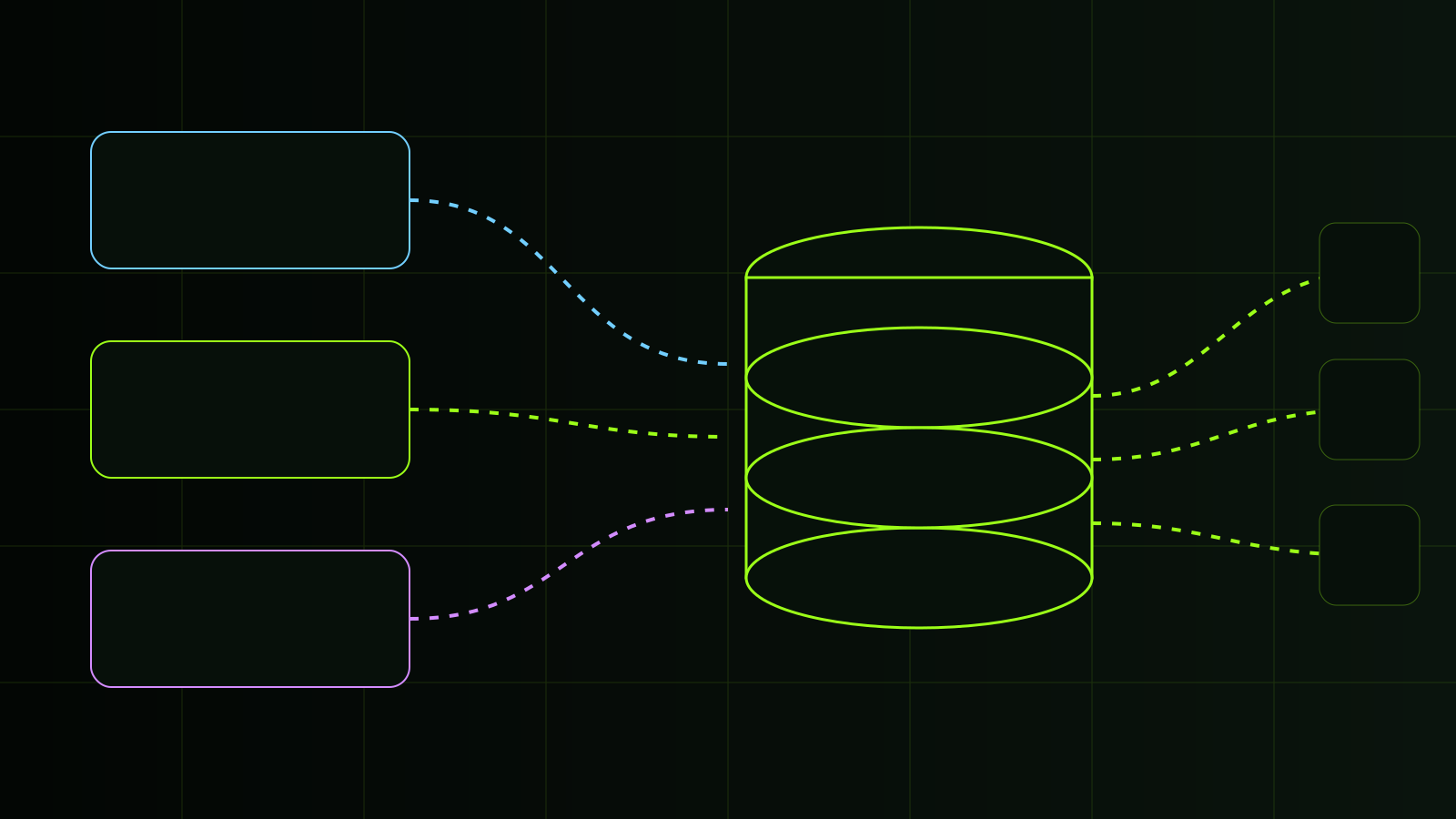
External datasets are used according to their licence, terms and permitted purpose. A paid source does not automatically grant unlimited redistribution rights, and an open source may still have attribution or usage conditions. The project scope defines which sources may be stored, transformed and exposed.
The matching layer can use stable identifiers where they exist and controlled comparison rules where they do not.
Read each source without forcing it to look like the others first.
Normalise formats, units, text, dates and identifiers.
Use exact keys, mapped IDs or controlled fuzzy comparisons where appropriate.
Handle duplicates, conflicts and source precedence according to defined rules.
Check required fields, ranges, consistency and confidence before use.
Store and expose the unified result through the agreed interface.
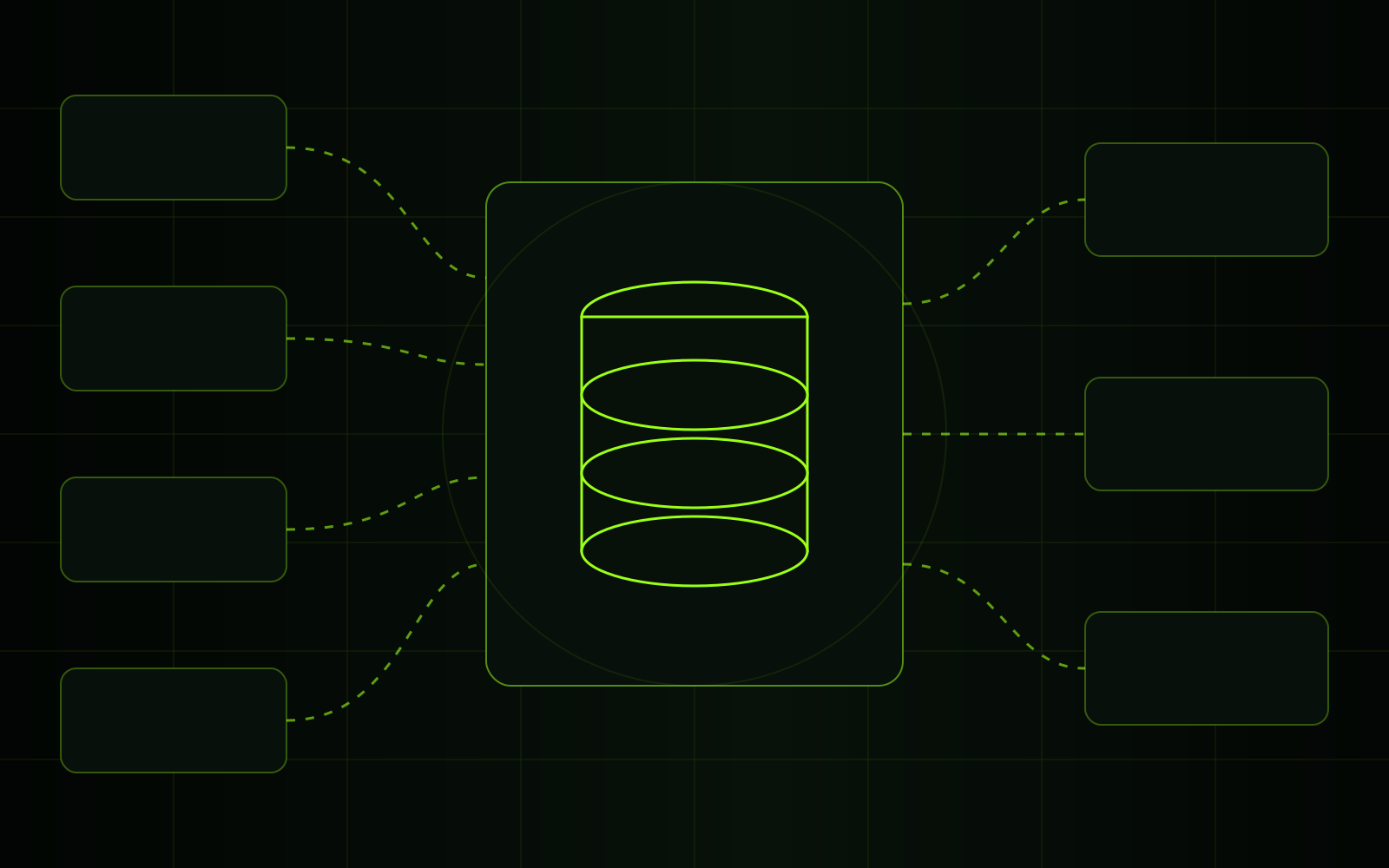
Some projects need a compact local SQL database. Others need several services, caching, search indexes, scheduled imports or a hybrid architecture. We choose the structure around the workload instead of forcing every project into the same stack.
A custom API can separate the internal database from websites, mobile tools, dashboards, automation or partner systems. This keeps data access controlled and allows the underlying storage to evolve without every client needing direct database access.
{
  "id": "4821",
  "source": {
    "internal": true,
    "external_matches": 2
  },
  "data": {
    "name": "Example item",
    "status": "active",
    "updated": "2026-08-23T14:30:00Z"
  },
  "quality": {
    "validated": true,
    "sources": 3
  }
}A tailored data model can retain source, timestamps and validation information instead of flattening everything into an unexplained final value.
Record which provider, file or internal system contributed a value.
Track when data was collected, changed or last confirmed.
Detect duplicate entities and define how they should be resolved.
Reject or flag malformed, incomplete or impossible values.
Define which source wins when two trusted sources disagree.
Keep important historical changes where auditability matters.
Store match confidence or review state where automated matching is uncertain.
Log failures, imports and synchronisation so broken pipelines are visible.
The database is often the shared layer behind several tools rather than the final product on its own.
Combine supplier, internal and external product information into a controlled catalogue.
Unify locations, stock information, movements and external reference data.
Map different supplier formats into one internal structure.
Combine customer information with maps, addresses, regions or other licensed geodata.
Prepare consistent data for dashboards, reports and decision support.
Provide selected structured facts or searchable records to an AI-assisted application.
Let several internal tools use the same validated information through an API.
Create fast internal lookup around data that was previously spread across files and systems.
Personal data, confidential customer information and licensed third-party data can have very different requirements. Access, retention, backups, encryption, redistribution and logging are defined according to the project and the customer's obligations.
Limit applications and users to the information they are permitted to use.
Store information only for the period required by the workflow and applicable obligations.
Respect provider licences, redistribution restrictions and permitted uses.
Define recovery and backup according to the importance of the data.
API keys and credentials belong in protected server-side configuration, not client code.
Do not collect or expose fields that the intended application does not need.
We can help define the sources, matching rules, database structure, update flow and API around the actual requirement.